Whether you’re a small boutique or a large retailer, managing inventory effectively can make or break your business. The Kanban inventory management system, with its origins in Japanese manufacturing, is becoming an increasingly popular tool for retailers looking to streamline operations. By visualizing inventory flow and responding to consumer demand in real-time, the Kanban system promises enhanced efficiency and reduced waste. In this article, we’ll delve into the ways retail businesses can reap the benefits of this agile and responsive system. Keep reading to discover how Kanban can transform your retail strategy.
Understanding Kanban Inventory Management and Its Retail Revolution
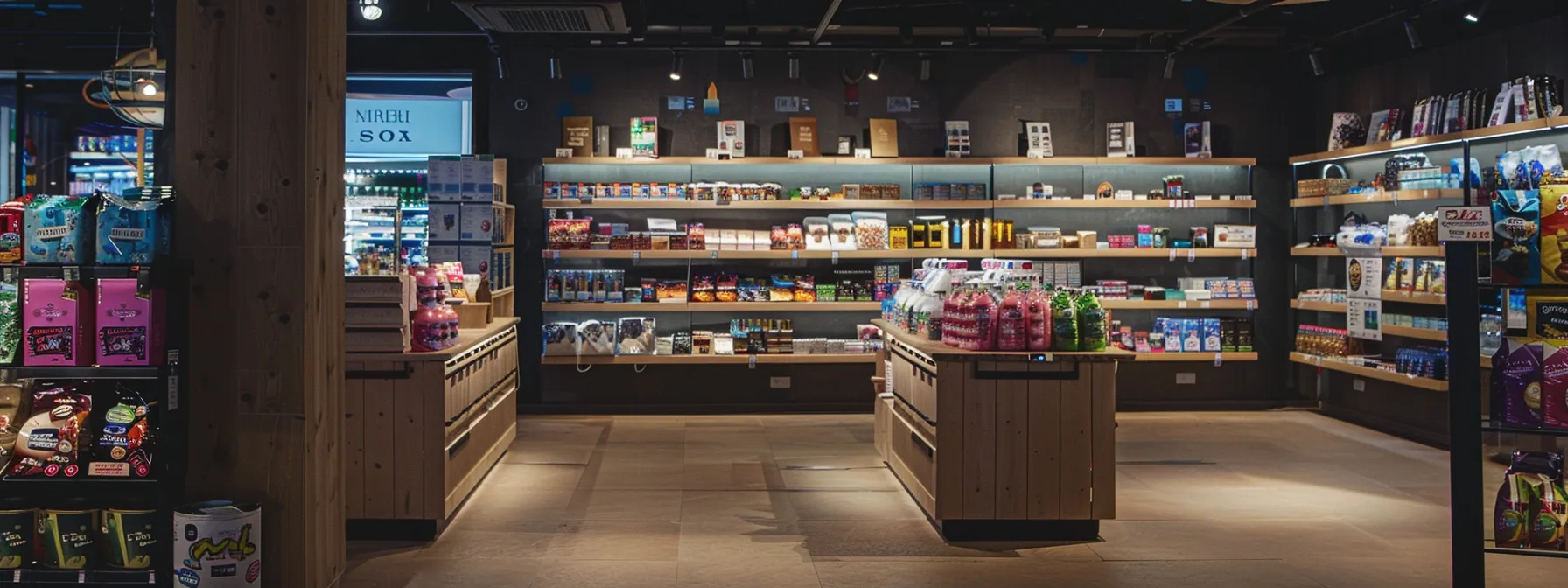
The Kanban inventory management system, developed by Toyota, is a method that balances demands with available capacity using visual cues. It has revolutionized retail businesses by reducing inventory levels and addressing overproduction. Retailers use this system to order new stock, identify trends, and adjust orders to prevent surpluses and shortages.
The system replaces traditional stock ordering with a demand-driven approach, resulting in leaner inventory, lower holding costs, and reduced wasted resources. It also helps identify inefficient aspects of the inventory process, allowing retailers to quickly identify stages causing delays or overstocking, improving inventory turnover and overall goods flow.
Streamlining Retail Operations with Kanban System Adaptations
Kanban is a visual supply chain management system that simplifies retail operations by tracking each item’s journey through the supply chain. This results in reduced lead times and increased turnover. It also improves coordination between sales floor and inventory storage, ensuring popular items are always available. Kanban encourages continuous improvement by allowing retailers to adjust parameters like minimum stock levels or re-order quantities to suit market conditions.
This iterative process helps refine operations towards maximum efficiency. Kanban facilitates cross-department communication, as sales and inventory teams often operate in silos. This common language and reference point fosters better collaboration, enabling retailers to meet consumer demand effectively and quickly.
Enhancing Customer Satisfaction Through Just-In-Time Inventory with Kanban
Kanban’s Just-In-Time (JIT) philosophy focuses on delivering products when needed, enhancing customer satisfaction. This approach allows retailers to maintain lower stock levels while meeting consumer expectations, reducing costs associated with excess inventory and ensuring fresh, relevant products. Kanban adapts to trends in fast-moving industries like fashion and electronics, allowing retailers to adapt to changing consumer preferences.
Minimizing overstocking and understocking events ensures a consistent customer experience, building trust and encouraging repeat business. The visual nature of Kanban keeps the entire team informed about inventory status, facilitating proactive restocking or scaling down. This results in a more dynamic customer service, allowing sales staff to confidently inform customers about product availability, delivering a positive shopping experience.
Harnessing Kanban to Optimize Stock Levels and Reduce Waste in Retail

The retail industry faces the challenge of balancing stock levels to meet demand without causing wastage. Kanban offers a strategic solution by optimizing stock levels to match market pull, reducing unsold goods. This approach reduces the carbon footprint associated with manufacturing, shipping, and storing excessive products. By ordering stock in smaller, more frequent quantities, businesses can contribute to sustainability without compromising customer service.
Kanban also frees up valuable warehouse and retail space, allowing for more productive use like enhancing customer experience or expanding product offerings. The reduction of inventory tied up can improve financial flexibility, allowing for marketing, store improvements, and investment in new technologies, giving retailers a competitive edge in the dynamic retail market.
Comparing Traditional Inventory Methods with Kananban for Retail Success
Traditional inventory management systems often rely on forecast-based ordering, leading to stockouts or excess inventory. The Kanban system, on the other hand, emphasizes real-time stock replenishment based on actual demand, reducing inventory imbalances and associated costs. Kanban offers a simplified approach compared to systems like Economic Order Quantity (EOQ) and Material Requirements Planning (MRP), with visual cues and straightforward processes.
It promotes disciplined purchasing behavior by avoiding bulk-order discounts, allowing businesses to uncover hidden savings when transitioning from large to smaller orders. Kanban also offers agility, fostering a culture of flexibility and quick response, which is crucial for staying ahead in the retail sector.
Overall, the Kanban inventory management system represents a paradigm shift in retail operations. Emphasizing lean management, responsiveness, and customer satisfaction, this approach is well-aligned with the needs of modern retail businesses. By adopting Kanban principles, retailers can position themselves for success in a marketplace that values agility, reduced waste, and consumer centricity.