In an era where over 60% of global web traffic originates from mobile devices, adapting website design to meet this growing demand is no longer optional—it’s essential. Mobile first website design has moved from being a mere trend to a critical strategy for success in the digital age.
Join our web design experts from TheeDigital as we explore the essentials of mobile first web design, why it matters, and actionable best practices to implement it effectively.

What is Mobile First Website Design?
Mobile first website design is a philosophy that places the mobile user at the center of the web design process.
Unlike responsive design, which adapts a desktop-first layout to smaller screens, mobile first starts with the mobile version and gradually enhances it for larger displays. This ensures that the core features and content of the site are tailored to mobile users—those who dominate today’s web traffic.
The mobile first web design approach acknowledges that mobile devices have unique constraints and opportunities, such as smaller screen sizes, touch interfaces, and varying connection speeds. By starting with a mobile-optimized design, businesses can create a website that provides a seamless, efficient, and user-friendly experience, no matter the device.
Mobile First vs. Responsive Design
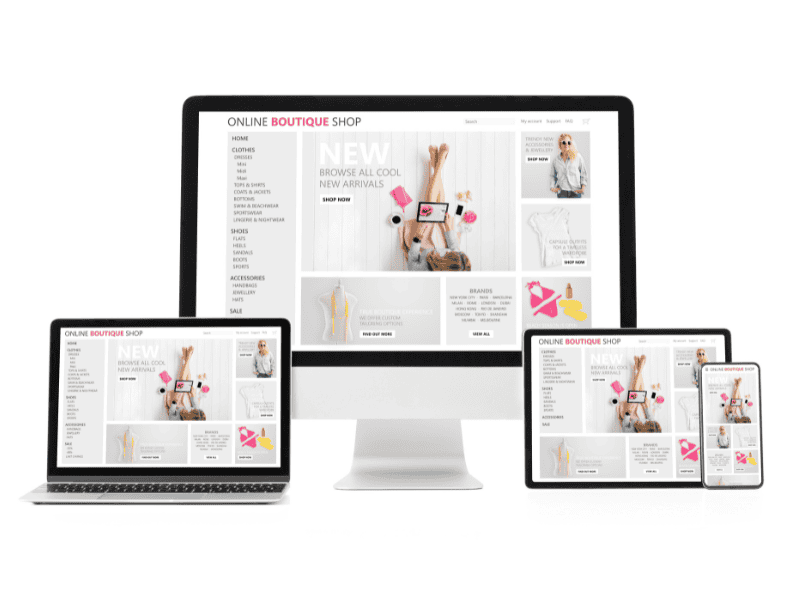
Both mobile first web design and responsive web design aim for cross-device compatibility, but they approach the task differently.
Responsive Website Design
- Adapts a complex desktop site to various screen sizes.
- Scales down the desktop layout to fit smaller mobile screens.
- Can result in cluttered, slower mobile experiences because it was originally designed for desktop.
- Not optimized for mobile performance from the start.
Mobile First Website Design
- Starts with the mobile version of the website, designed with mobile users in mind.
- Focuses on simplicity and performance from the ground up.
- Gradually scales up to accommodate larger displays.
- Prioritizes speed, efficiency, and performance at every stage.
- Often faster and more efficient because it eliminates unnecessary desktop elements.
- A streamlined approach that better caters to the increasing number of mobile internet users.
Why Mobile First Website Design Matters in 2025
The mobile revolution continues to reshape the digital landscape in 2025, and businesses must adapt to remain competitive. In fact, more than 70% of e-commerce transactions now occur on mobile devices, with mobile apps accounting for around 90% of smartphone internet time.
Whether you’re running an online store or simply need to engage with your customers, mobile first design is critical for success.
Boosting SEO with Mobile First Indexing
Google’s mobile first indexing puts significant emphasis on how your mobile site performs. Factors like usability, load speed, and content accessibility directly influence how your website ranks in search results. Google’s algorithm now prioritizes the mobile version of your site over the desktop version, making it essential to have a website that prioritizes mobile Search Engine Optimization (SEO).
Enhancing User Engagement and Conversion Rates
One of the biggest benefits of mobile first website design is its ability to improve user engagement. A mobile first site reduces bounce rates and encourages visitors to stay longer on your website. By prioritizing fast loading times, intuitive navigation, and optimized content, designs created with smartphones in mind allow for an effortless experience for users, which increases the likelihood of conversions.
Mobile First Website Design Best Practices
To ensure your website is optimized for smartphone users, here are some key best practices to implement in your mobile first web design.
Simplified Navigation and Thumb-Friendly UI
On smartphones, navigation should be intuitive and effortless. The thumb is the primary tool for interacting with mobile devices, so it’s essential to design with this in mind. Place key navigation elements at the bottom of the screen where users can easily reach them with their thumbs.
Keep menus simple and avoid excessive clutter by prioritizing clear, concise labels for navigation items and reserving more complex menus for when users interact with the menu icon. Ensure buttons and links are large enough to tap comfortably, with enough padding around them to avoid accidental clicks.
Fast-Loading Pages and Optimized Images
Speed is critical for mobile users. Studies show that users will abandon a website if it takes more than three seconds to load. To optimize load times, compress images and use modern formats like WebP, which are smaller in size but retain good image quality.
Mobile-Friendly Typography and Spacing
On smaller screens, readability is key. Choose font sizes that are large enough to be legible on mobile devices and ensure there is high contrast between the text and the background. Additionally, break text into short, digestible paragraphs and use ample white space to keep the layout clean and easy to read.
Prioritized Content Above the Fold
The fold—the area of the screen visible without scrolling—is limited on mobile devices. To make the most of this space, prioritize important content above the fold. This could include your value proposition, key products or services, and your call to action (CTA). Use progressive disclosure techniques to show additional content as users scroll down the page.
Real Device Testing
Testing your site is crucial for mobile first design. Perform a site audit to see how your website performs on real devices. That way, you can see how it performs across different screen sizes, resolutions, and operating systems.

Common Mistakes to Avoid in Mobile First Website Design
Even with the best intentions, it’s easy to make mistakes when designing for smartphone users. Here are a few common pitfalls to avoid when implementing your design and marketing strategies for mobile devices.
Feature Overload
While it’s tempting to include as many features as possible, overloading your mobile site with unnecessary elements can slow down performance and overwhelm users. Focus on the most critical content and functionality to align with users’ goals.
Slow Load Times
A slow website is a surefire way to lose visitors. Minify your code, use caching, and leverage Content Delivery Networks (CDNs) to improve site speed. Aim for a load time of under three seconds to retain users.
Optimizing Tap Targets
Buttons that are too small or too close together are frustrating for mobile users. Ensure that all interactive elements, like buttons and links, have enough padding around them to make tapping easy and accurate.
Cross-Device Testing
Neglecting cross-device testing can lead to a poor user experience. Test your site on a variety of devices—smartphones, tablets, and even older models—to ensure consistency and compatibility.
Optimize Your Digital Marketing Efforts with Mobile First Design from TheeDigital
Mobile first website design is not just a trend—it’s a necessity for success in the digital landscape of 2025 and beyond. By prioritizing the mobile user experience, businesses can improve SEO, boost engagement, and increase conversions.
To learn more about how to optimize your website for mobile users, contact the internet marketing team at TheeDigital, a Raleigh-based marketing agency serving clients nationwide, for expert solutions to bring your company’s site to the next level.
Get started now by calling us at 919-944-8999 or filling out our Contact Form below.

Leave a Reply